围绕苗族芦笙展开故事的影片,是一部融合喜剧、励志、音乐元素的少数民族风格电影。影片中,苗族“金芦笙”世家的独子陶天益被父亲寄予厚望,希望他将“金芦笙”的荣誉继承下来。但天益却有着自己的音乐追求,在经历选秀失败后,巧合之下成为“网红”。最后与乐队的对决中,天益静下心来,感受着自然万物的声音,最终吹响了苗家的神曲《凤凰展翅》。
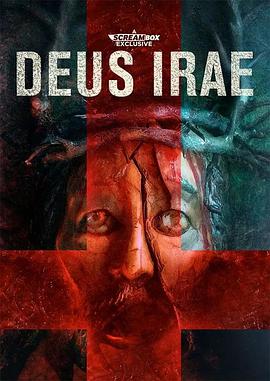
When, at the beginning of Deus Irae, Father Javier stares at a crucifix, his expressions and his hands suggest that the nerves are consuming him. A flashback reveals that this priest devotes his life to visiting families that claim to have seen things that do not belong to this world and cleansing their homes from the demons that try to possess them. But, upon returning to those houses, he notices that the evidence is always destroyed. This way, he discovers that a clan is after him, and must decide whether to hide from them or join them. In times when horror cinema tends to fall into the hands of directors that seek to build narratives that are introspective and close to reality, Pedro Cristiani goes back to old-school horror, where gore and the physical experience are above any other kind of feeling. A cinema that places the camera in front of the faces of the bloodiest demons and, instead of giving logic to them, chooses to face them whatever the cost. 源自:https://www.mardelplatafilmfest.com/38/en/pelicula/deus-irae