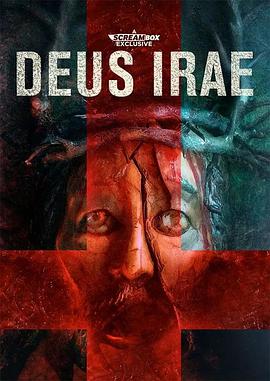
When, at the beginning of Deus Irae, Father Javier stares at a crucifix, his expressions and his hands suggest that the nerves are consuming him. A flashback reveals that this priest devotes his life to visiting families that claim to have seen things that do not belong to this world and cleansing their homes from the demons that try to possess them. But, upon returning to those houses, he notices that the evidence is always destroyed. This way, he discovers that a clan is after him, and must decide whether to hide from them or join them. In times when horror cinema tends to fall into the hands of directors that seek to build narratives that are introspective and close to reality, Pedro Cristiani goes back to old-school horror, where gore and the physical experience are above any other kind of feeling. A cinema that places the camera in front of the faces of the bloodiest demons and, instead of giving logic to them, chooses to face them whatever the cost. 源自:https://www.mardelplatafilmfest.com/38/en/pelicula/deus-irae
1950年代,中国抚顺。当年参加过反战同盟的春田告知战犯管理所所长潘云,他收养的女儿潘婷是在押战犯伊藤在战时失散的孩子。潘云闻讯,心情十分难过,毕竟难以割舍多年的养育之情。痛定思痛,他还是委托春田回国后打探潘婷生母的下落,以使其骨肉团聚。战犯管理所本着人道主义管理方针,对所有在押战犯进行着细致艰苦的改造工作,由于受军国主义思想毒害较深,加之原日军师团长伊藤弘一盅惑唆使,不少战犯寻衅滋事、拒绝改造。管理人员本着攻心为上,用大量的事实证明以使其认清,侵略者对中国人民所犯下的滔天罪行。通过不懈地努力,大部分战犯丑恶污浊的灵魂慢慢开始净化......本片获第四届金鸡奖最佳摄影、录音、服装等诸多奖项。