春耕、夏耘、秋收、冬藏,天人合一的东方哲学让中国饮食依时而变,智慧灵动,中医营养摄生学说创造了食材运用的新天地,儒家人伦道德则把心意和家的味道端上我们的餐桌。淘洗历史,糅合时光,一代又一代的中国人在天地间升起烟火,用至精至诚的心意烹制食物,一餐一食之间,中国人展示个性,确认归属,构建文明,理解和把握着世界的奥妙。中国饮食生长于传统文化的沃土,在宽广的时空中,以感恩之心去领悟食物给予我们珍贵的滋养,《舌尖上的中国》第三季继续近观饮食之美,远眺中华文化的魂魄。
影片真实取材湘西三邪——落花洞女,湘西腊尔寨每年必须向山神献祭一位妙龄少女,否则全村就会陷入诅咒,怪事频发…桂家的女儿桂彤不幸被魑魅选中,朗德和祁峰同时深爱着桂彤,新婚之夜他们能否成功解救心爱之人?村中诅咒又将如何破解~
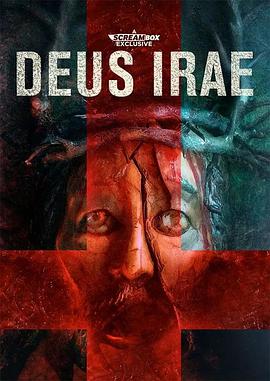
When, at the beginning of Deus Irae, Father Javier stares at a crucifix, his expressions and his hands suggest that the nerves are consuming him. A flashback reveals that this priest devotes his life to visiting families that claim to have seen things that do not belong to this world and cleansing their homes from the demons that try to possess them. But, upon returning to those houses, he notices that the evidence is always destroyed. This way, he discovers that a clan is after him, and must decide whether to hide from them or join them. In times when horror cinema tends to fall into the hands of directors that seek to build narratives that are introspective and close to reality, Pedro Cristiani goes back to old-school horror, where gore and the physical experience are above any other kind of feeling. A cinema that places the camera in front of the faces of the bloodiest demons and, instead of giving logic to them, chooses to face them whatever the cost. 源自:https://www.mardelplatafilmfest.com/38/en/pelicula/deus-irae